Who Can Know What It Means to Be Me?
Artificial intelligence is becoming increasingly capable of analysing human beings: our language, choices, behaviour, emotional signals, and recurring patterns. Sometimes, it can notice things about us that we have not yet put into words ourselves. But this raises a fundamental question: is knowing about a person the same as knowing what it means to be that person?
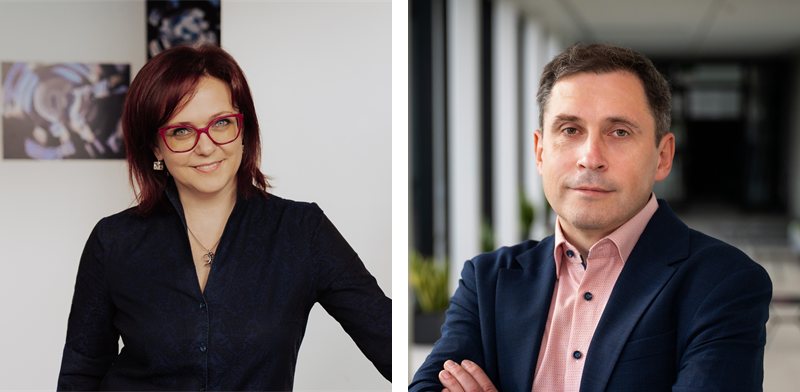
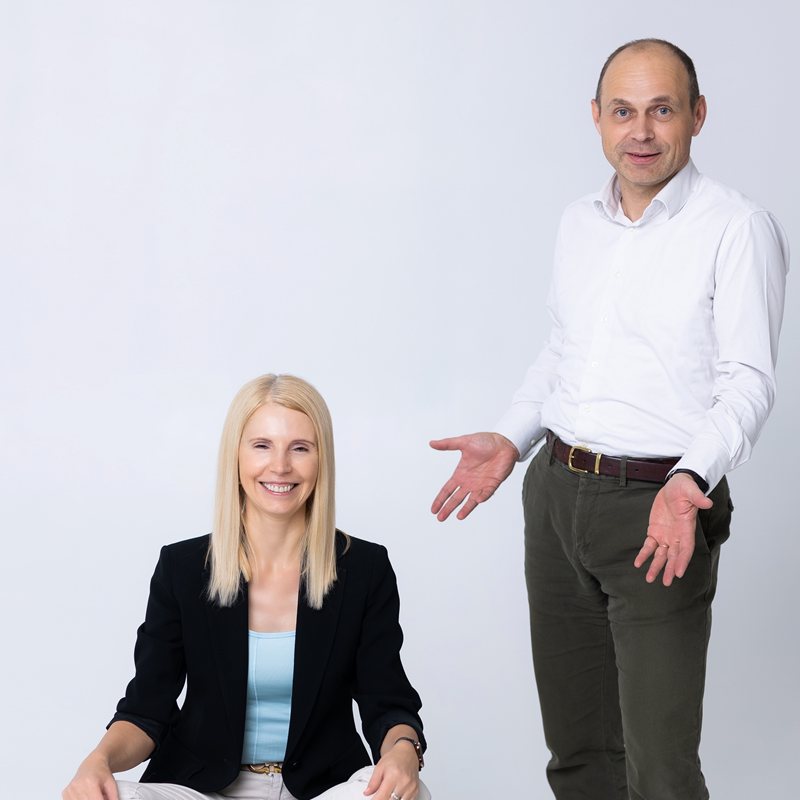
Leda and Rimas invite us to explore the significance of first-person experience in the age of AI. What does it mean not only to be described, interpreted, or predicted, but to experience, reflect, recognize, evaluate, and choose for ourselves? Who holds the epistemic authority to determine what my experience means: an external expert, data, an algorithm, or myself? And can I trust my own experience, knowing that it too is shaped by past experiences, expectations, and the models of the world I construct?
This is not to suggest that human subjectivity is infallible. On the contrary, the ability to examine our own experience, question our interpretations, and allow reality to challenge and correct them may become one of our most important human capabilities.
This perspective also raises questions about the role of coaching. Perhaps, in the age of AI, the value of coaching will become less about finding better answers or solutions. Perhaps one of its most important functions will be to help people remain the subjects of their own lives: to understand their experiences more deeply, distinguish experience from interpretation, consciously choose what and whom to trust, and retain responsibility for who they become.
Ultimately, the question “Who can know what it means to be me?” is not only a question about knowledge. It is a question about human authorship, responsibility, and our relationship with ourselves in a world where more and more can be entrusted to technology.